Unlocking Freedom: Why Open World Games Redefine Gaming Experience
In the ever-evolving landscape of gaming, open world games have emerged as a transformative force. These games offer players a chance to explore vast, immersive environments, providing unprecedented levels of freedom. This article delves into why open world games redefine the gaming experience and what makes them so captivating.
What Are Open World Games?

Open world games are video games where players can explore large, expansive worlds; they aren't just guided by linear storylines. Instead, they present environments filled with quests, secrets, and interactions that players can choose to pursue at their leisure. Think of a sprawling landscape filled with mountains, cities, and hidden caves — this is the playground for adventure enthusiasts.
The Appeal of Freedom

One of the standout features of open world games is the feeling of freedom they provide. As players roam the expansive maps, they make their own choices. This sense of autonomy can be incredibly empowering. You create your own journey, setting goals and pursuing them on your terms.
Immersive Environments

Developers go to great lengths to create visually stunning and interactive environments. Open world games often utilize complex graphics and engaging soundscapes. For instance, a player might find themselves wandering through a lush forest while listening to the soothing sounds of nature. This contributes to an immersive experience.
Dynamic Storytelling

Unlike traditional games, where the narrative is linear, open world titles often feature dynamic storytelling. Player decisions impact the storyline, leading to various outcomes. This adaptability makes replaying these games appealing, as players can experience completely different narratives each time they play.
User-Generated Content

Another fascinating aspect of open world games is the allowance for user-generated content. In some titles, players can create their own quests, share them with others, and even design their environments. This not only fosters a sense of community but also extends the game's lifespan significantly.
Engaging Side Quests

The main storyline in many open world games is just the tip of the iceberg. Side quests often delve deeper into the lore and lore of the game. Players can choose to engage in these tasks based on their interests. Open world games maximize engagement by offering varied content.
Boosting Creativity

Open world games encourage players to think creatively. Whether deciding how to tackle a mission or designing a character's path, players can devise numerous methods to approach situations. This enhances problem-solving skills, as players evaluate their options in real-time.
Social Interaction and Collaboration
Many open world games enable social interaction, allowing players to team up with friends to tackle challenges. This collaborative essence brings a communal vibe to games, making them not just a solitary endeavor but something to enjoy with peers.
Accessibility Across Platforms

Today's open world games often feature cross-platform accessibility, allowing players to enjoy them on various devices. Whether playing on a console, PC, or even a mobile device, everyone can join in on the fun. This accessibility broadens the reach and audience for these games.
ASMR in Gaming

Interestingly, the rise of ASMR (Autonomous Sensory Meridian Response) in gaming has become a talking point. The calming sounds and visuals in games can soothe players, making the experience even more enjoyable. For instance, moments in an asmr darling video game can evoke serenity, allowing players to escape reality and enjoy gaming on a deeper level.
The Age of Exploration

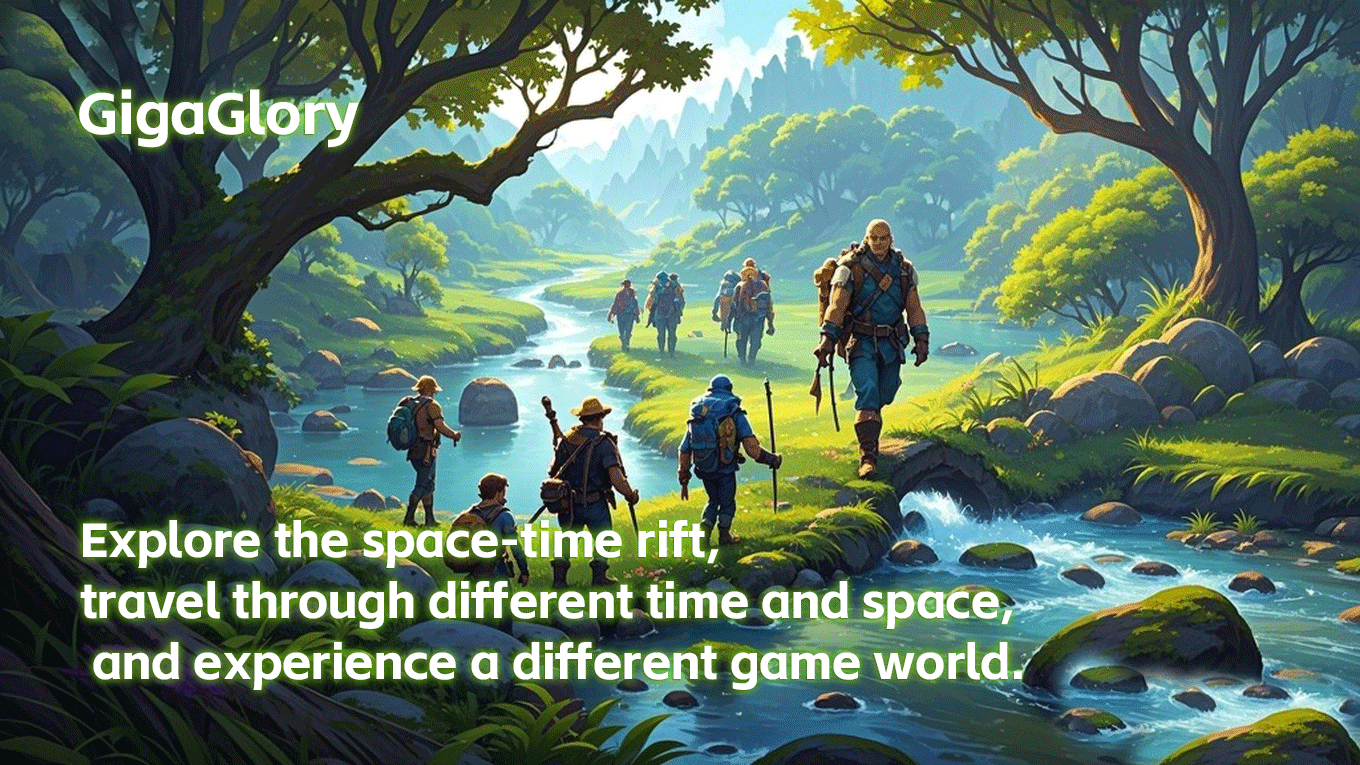
With open world games, exploration is at the forefront. The sense of discovery plays a significant role, enticing players with hidden treasures and untold stories. Games encourage venturing off the beaten path, satisfying the innate human desire to explore.
Does Relish Go in Potato Salad? A Tangential Inquiry
While this may seem unrelated, the culinary debate about whether relish belongs in potato salad showcases the diversity of taste and preference, much like the myriad choices within an open world game. Players experience varying preferences, strategies, and play styles, leading to rich discussions and insights.
Recent Trends in Open World Gaming
As technology advances, new trends in open world gaming emerge. From VR (Virtual Reality) to enhanced AI-driven interactions, the future appears bright. These innovations promise even richer, more immersive experiences, challenging the developers to continually push their creative boundaries.
Challenges in Designing Open World Games

Despite their appeal, designing an open world game isn't without challenges. Developers confront obstacles like maintaining game balance, ensuring spatial cohesion, and avoiding game-breaking bugs. Striking the right balance between freedom and guidance is critical for player satisfaction.
Conclusion

In conclusion, open world games have fundamentally redefined the gaming experience by offering unparalleled freedom, immersive environments, and dynamic storytelling. They not only cater to individual preferences but also foster collaboration and creativity among players. As the gaming industry continues to evolve, it’s evident that the charm of open world exploration will maintain its allure, inviting players to unlock their own freedom within vast digital landscapes.
| Feature | Benefits |
|---|---|
| Freedom of Choice | Empowers player autonomy |
| Immersive Environments | Enhances engagement |
| Dynamic Storytelling | Promotes unique experiences |
| User-Generated Content | Fosters community |
| Collaboration | Encourages teamwork |
- Explore vast landscapes
- Engage in diverse quests
- Create and share content
- Experience dynamic narratives